
What Does pH Mean for Your Water?
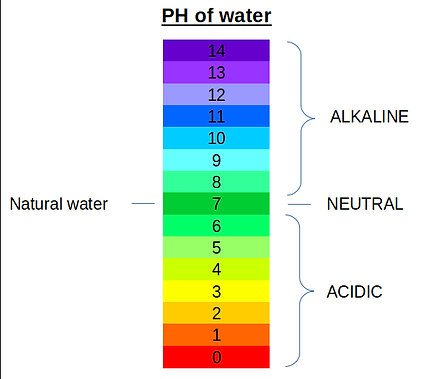
pH, short for "Potential of Hydrogen," is a simple scale that shows if your water is acidic or alkaline.
Most groundwater falls between pH 6 and 8.5.
Acidic water (lower pH) can corrode pipes and fittings by dissolving metal ions, making it trickier to manage those metals.
Alkaline water (higher pH) may cause scale buildup in your system.
pH works hand-in-hand with other important elements in your water’s chemistry.
Purity
Provides a consistent, high-quality water source free of contaminants, serving as an ideal base for processes requiring precise water quality control.
Chemical-Free
Reverse osmosis is a physical filtration process, eliminating the need for chemical additives.
Reliability
Offers a dependable, on-demand solution for industries requiring ultra-pure water.
Cost-Effectiveness
Provides an efficient and economical method for producing demineralised water tailored to specific operational needs.
How Can You Balance pH?
You can adjust pH using special media that naturally corrects it or by adding safe chemicals.
Different types of correction media are chosen based on how much pH adjustment your water needs.
Regular upkeep is needed to keep the correction media working effectively.
Balanced pH helps other minerals get filtered out more easily.
Self-cleaning systems take care of themselves with daily maintenance cycles.
For boiler systems, chemical dosing is common, but it needs to be done carefully to avoid problems.


